
Designing for Trust: The Quotes That Defined It during G4I 2026
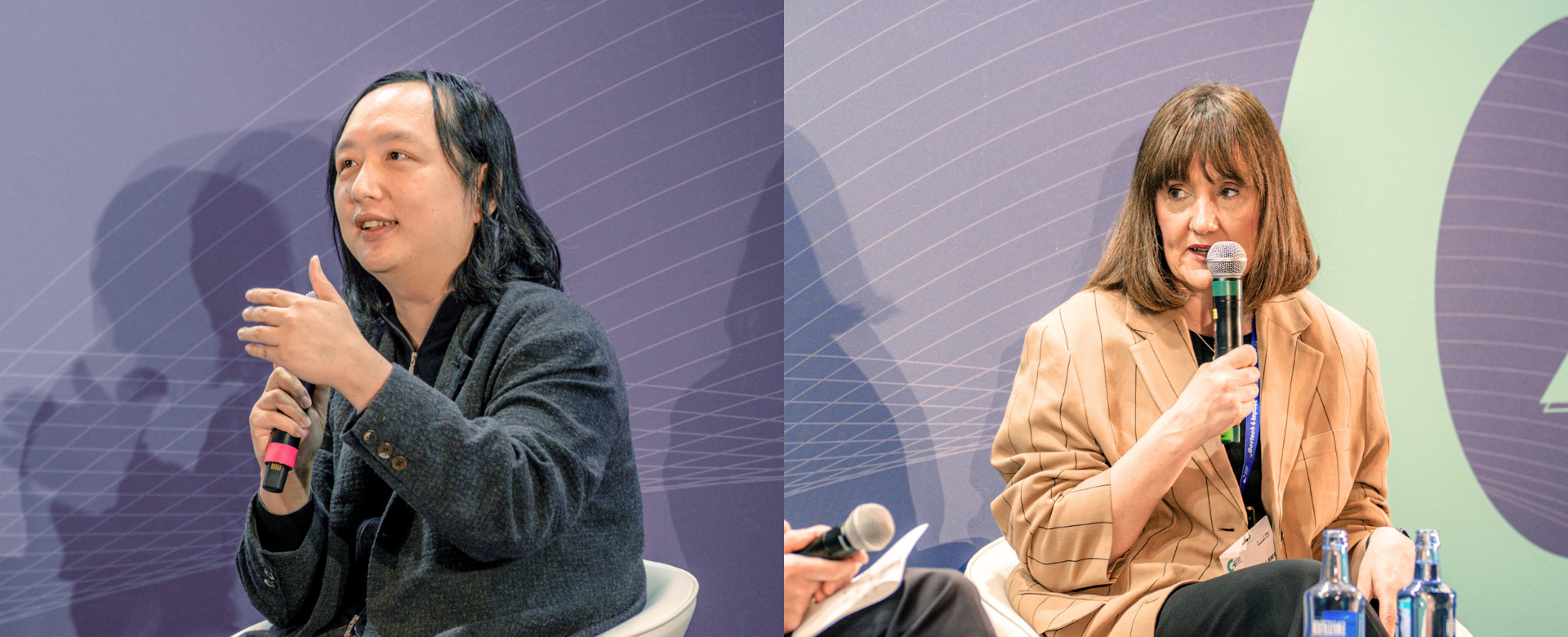
Trust was the most repeated word in Madrid. Here’s what the Congress actually had to say about it.
Say a word often enough at a conference and it starts to lose meaning. “Trust” was in danger of that fate at G4I 2026 – invoked in nearly every session, on nearly every panel, until it risked becoming background noise: something everyone agrees matters, without anyone quite agreeing on what it requires.
That is the gap this collection is built to close. Trust in public digital services is not a feeling governments can generate through better messaging, nor a box that gets ticked once and forgotten. It is something built, deliberately, into how a service is designed, measured, and held accountable, and it can unravel quickly the moment that design work is skipped.
Rather than write another summary of the Congress, we went back through three days of sessions and pulled out the moments where speakers gave trust real, specific shape – as a design requirement, a measurable outcome, a test of transparency, and a question about who remains accountable as AI increasingly stands between citizens and the state.
Inside the collection, organized by theme, you will find the sharpest lines from the Congress on:
- Why trust has to be designed into a service from the outset, not communicated after the fact
- How to treat trust as something you can actually measure, not just aspire to
- What governments risk losing as AI agents increasingly mediate access to public services
- The difference between stating transparency as a value and enforcing it as a standard
- What genuinely distinguishes a human who is in control from one who is merely present
- Why trust takes years to build and can be lost in a moment
Each quote is credited to the speaker and the exact session it came from, so you can trace every idea back to its source. Together, they form less a set of individual insights and more a single, layered argument about what it takes to earn and keep public trust in the digital age.
