
Smart Cities, Honest Lessons: What Boston, Slatina, and Bristol Have Learned
A Second Stage panel brought city leaders together to swap practical experience on making urban technology serve residents rather than the other way around.
After three days of frameworks and keynotes, there is something clarifying about putting working city leaders on a stage and asking them what they have actually learned. This Second Stage panel, moderated by Tamlyn Shimizu, Director of Global Partnerships and Events at BABLE Smart Cities, did exactly that – gathering voices from cities and towns to test how the grand ideas of smart urbanism hold up against the realities of local government.
The framing was deliberately grounded. “Smart city” has, over the years, become a phrase weighed down by vendor promises and sensor counts. The conversation that BABLE convened was less interested in the technology for its own sake than in what it delivers for residents, and in the honest, often unglamorous lessons that only come from trying to implement it.
Different Cities, Shared Challenges
Santiago Garcés, Chief Information Officer for the City of Boston, brought the perspective of a major US city with significant technical capacity and a mature relationship to data and digital services. Mario De Mezzo, Mayor of Slatina in Romania, offered the counterpoint that runs through so much of the GovTech conversation – the reality of a smaller municipality, where ambition has to be matched against limited resources, smaller teams, and the practical constraints that larger cities can more easily absorb. Tony Dyer, Leader of Bristol City Council in the UK, added the experience of a mid-sized European city navigating the balance between innovation, sustainability, and the everyday demands of public service.
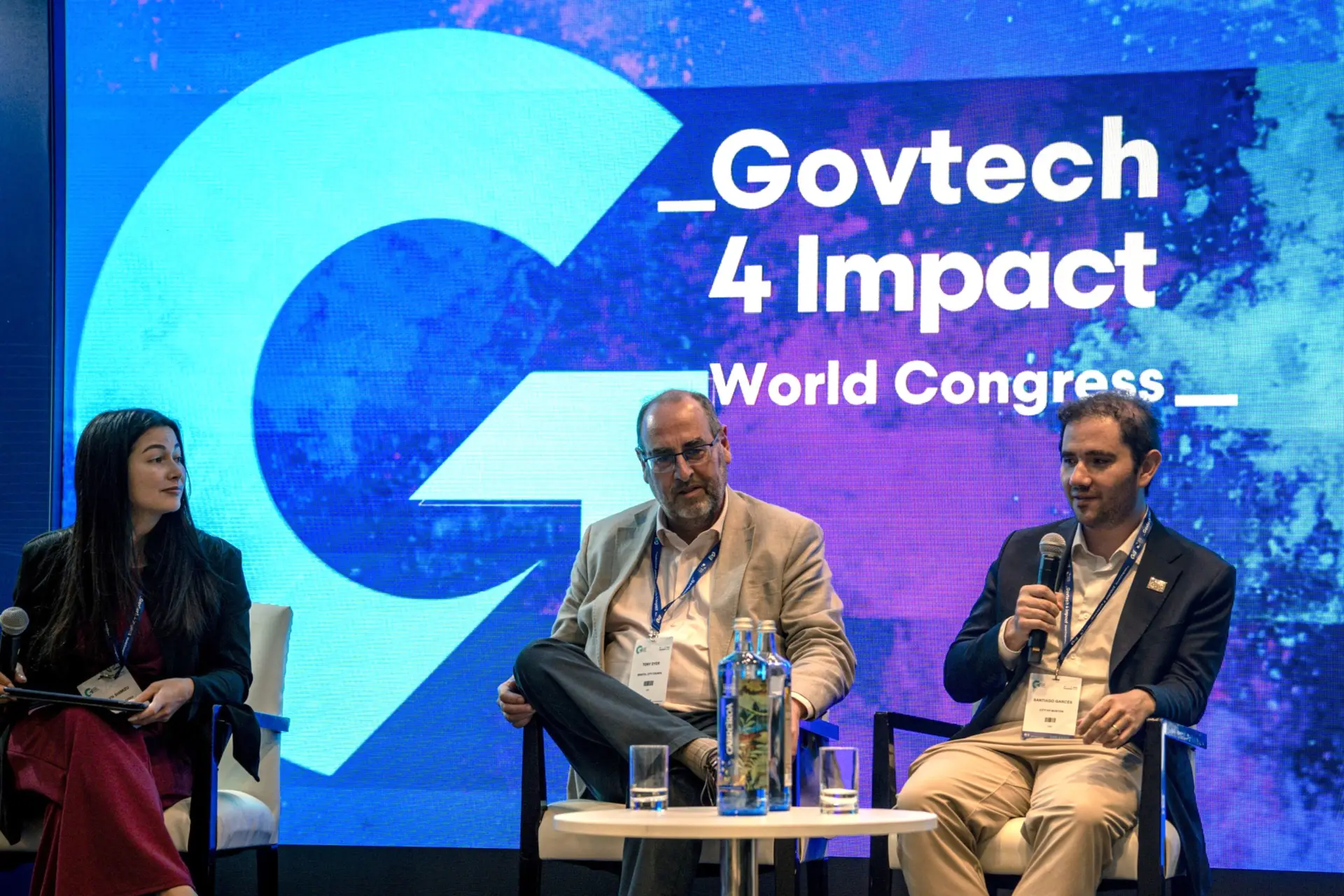
What connected them, across very different scales and contexts, was a shared set of challenges that no amount of technology makes disappear: how to make digital tools genuinely useful to residents, how to build the internal capacity to sustain them, how to fund and maintain systems over time, and how to ensure that the benefits of smart-city investment reach everyone rather than a digitally confident few. The diversity of the panel – a large city, a small town, and a mid-sized city, was itself the point. The same principles of resident-centered design, sustainable investment, and institutional capability apply regardless of size, even as the resources available to act on them vary enormously.
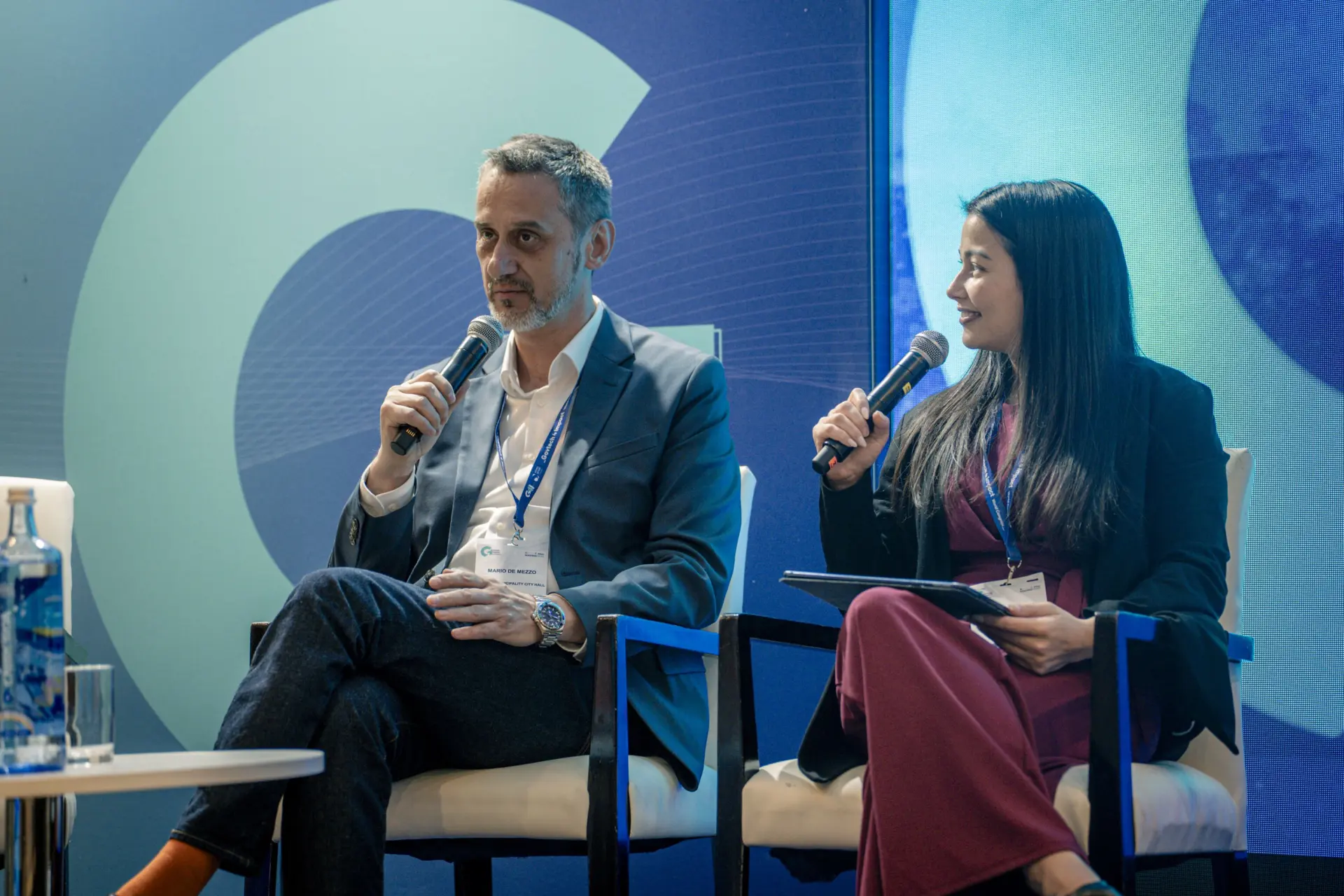
Technology In Service Of People
The throughline of the discussion echoed the broader Congress consensus, but with the particular authority of people who run cities day to day. Smart-city technology, on this account, is not an end in itself. Its value lies in whether it improves residents’ quality of life — through better services, more sustainable use of resources, and more responsive local government. For Bristol, that connects to a wider agenda of sustainability and resource efficiency. For Slatina, it means finding ways to deliver real improvement without the budgets and teams a capital city can command. For Boston, it means using genuine technical capacity to build services that residents actually find useful, rather than impressive systems that go unused.
Tony Dyer’s perspective resonated with the manifesto produced elsewhere at the Congress by the Mayors Leadership Forum, of which he was a part – the conviction that technological advances should be used to deliver core services that are both people-centred and resource-efficient, with the ultimate measure being a better quality of life for citizens. It is a deceptively simple standard, and one that cuts against a decade of smart-city marketing built on sensors, dashboards, and the appearance of sophistication.
The honest version of smart
What this panel offered, more than any single technical insight, was a reframing of what “smart” should mean. Not the city with the most sensors or the most advanced control room, but the city that uses technology with intention – to solve real problems for real residents, sustainably, and in a way that includes rather than excludes. The presence of a small Romanian town alongside Boston and Bristol was a quiet rebuke to the idea that smart-city ambition belongs only to the wealthy and well-resourced. The challenges are shared. The principles travel. And the measure of success, across every scale, is the same: does it actually make life better for the people who live there?
It was a fitting note on which to close the Second Stage’s smart-city programing – not with a grand vision of the technological city of the future, but with the grounded, practical wisdom of leaders who have learned, through implementation, that the smartest thing a city can do is keep its residents at the center of every decision.
Key Takeaways
- “Smart” should mean intentional, not impressive. The best cities use technology to solve real problems for residents – not to accumulate sensors, dashboards, or the appearance of sophistication.
- The principles travel across scale. Resident-centered design, sustainable investment, and institutional capability apply equally to a major city, a mid-sized one, and a small town.
- Smaller cities face distinct constraints – but the same goals. Slatina’s experience shows that ambition must be matched against limited resources, while the underlying principles remain shared.
- Technology serves quality of life. Across Boston, Slatina, and Bristol, the consistent measure of success is whether digital tools improve residents’ everyday lives, sustainably and inclusively.
- People-centered and resource-efficient. Echoing the Mayors Leadership Forum, the panel framed technology as a means to deliver core services that genuinely improve quality of life.
Read more from our Insights Hub...

Harnessing AI for Social Good: Real-World Applications Driving Change
Share this post on Social Media: As we prepare for the Govtech 4...
Read Article →
Mayors’ Leadership Forum Launches the Govtech Manifesto – Putting People and Nature in The Core of The Digital Transformation
Share this post on Social Media: May 7th, Madrid, Spain — At the...
Read Article →
GovTech in Latin America: Success Stories and Lessons Learned
Share this post on Social Media: Latin America is undergoing a remarkable transformation...
Read Article →